
Gold prices moved higher on Monday as investors returned to safe-haven assets amid a weaker U.S. dollar and falling oil prices. Market participants also kept a close watch on ongoing diplomatic discussions between the United States and Iran, with hopes that easing geopolitical tensions could reshape the outlook for global commodity markets.
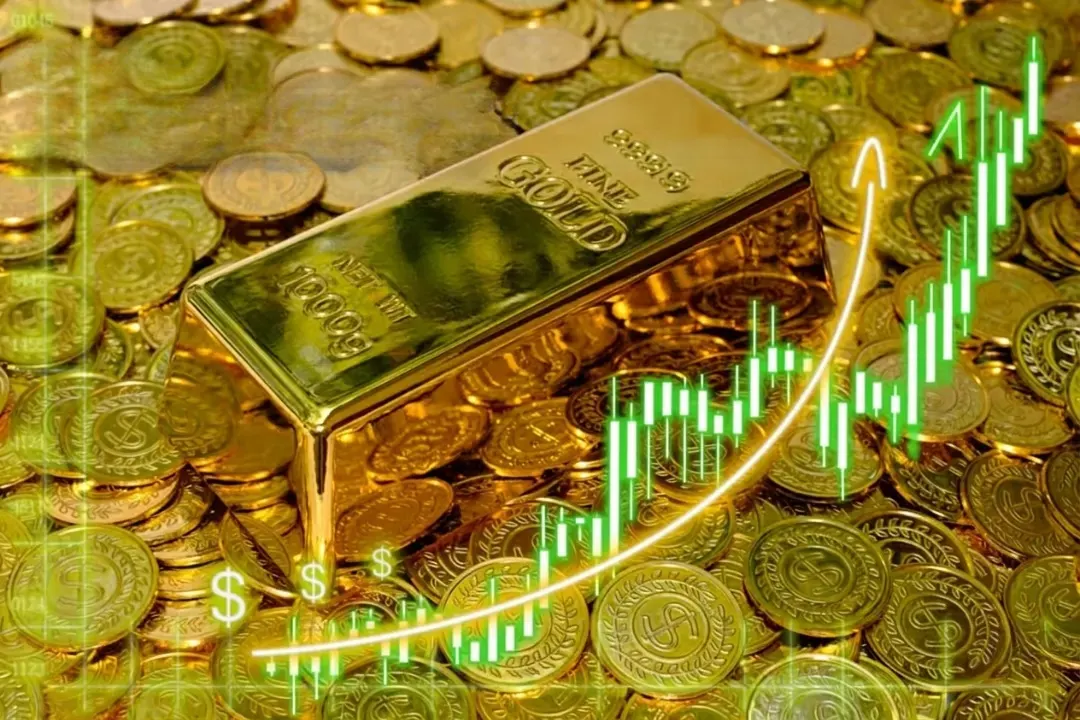
Spot gold gained 0.47% to trade at $4,564.27 per ounce, while U.S. gold futures for June delivery climbed 0.91% to $4,597.75.
The softer dollar played a key role in the rally, making gold more affordable for investors using other currencies and increasing global demand for the precious metal.
UAE Gold Prices Move Higher
The upward trend was also reflected in the UAE, where gold rates rose across all major categories.
Latest prices showed:
- 24-carat gold: AED 551.00 and AED 524.25, up AED 7.75
- 22-carat gold: AED 510.25, up AED 7.00
- 21-carat gold: AED 489.25, up AED 6.75
- 18-carat gold: AED 419.50, up AED 6.00
- 14-carat gold: AED 327.00, up AED 4.50
The gains mirror stronger international bullion prices and continued demand from both investors and retail buyers.
Weaker Dollar Supports Bullion
One of the main drivers behind gold’s rise was the decline in the U.S. dollar.
Since gold is priced globally in dollars, a weaker greenback typically makes the metal cheaper for overseas investors, encouraging more buying activity.
At the same time, oil prices fell sharply, easing concerns over inflation and influencing investor positioning across commodity markets.
Lower energy prices often reduce inflation expectations, but they can also increase uncertainty about global growth prospects—an environment where gold tends to perform well.
Geopolitical Developments Remain in Focus
Investors are also closely monitoring diplomatic developments involving the United States and Iran.
Recent reports have suggested progress toward a potential framework agreement that could eventually ease tensions and reopen the Strait of Hormuz, one of the world’s most important energy shipping routes.
While markets have reacted positively to signs of diplomacy, uncertainty remains.
Questions surrounding:
- The final terms of any agreement
- Political approval from both sides
- Regional security conditions
- The pace of implementation
continue to influence investor sentiment.
This uncertain backdrop has helped maintain interest in traditional safe-haven assets such as gold.
Interest Rate Expectations Continue to Shape Markets
Beyond geopolitics, traders are also paying close attention to the outlook for U.S. monetary policy.
Gold does not pay interest, which means its attractiveness often increases when borrowing costs are expected to decline.
Several factors are currently shaping expectations, including:
- Inflation trends
- The Federal Reserve’s interest rate outlook
- Currency market movements
- Global economic growth prospects
- Investor appetite for safe-haven assets
Any shift in these factors could have a significant impact on gold prices in the months ahead.
Other Precious Metals Also Post Gains
The positive sentiment was not limited to gold.
Other precious metals also ended the session higher, reflecting broader investor interest in alternative assets.
- Silver rose 1.63% to $77.93 per ounce
- Platinum gained 1.75% to $1,973.65 per ounce
- Palladium climbed 2.31% to $1,413.00 per ounce
The synchronized rally suggests investors are increasingly diversifying into precious metals as they navigate a complex mix of economic and geopolitical developments.
Outlook Remains Closely Tied to Global Events
Analysts believe gold will remain highly sensitive to changes in the global macroeconomic environment.
Key factors likely to influence prices in the near term include:
- Progress in U.S.–Iran negotiations
- Movements in the U.S. dollar
- Oil market volatility
- Federal Reserve policy decisions
- Inflation and economic growth data
If uncertainty persists or market volatility increases, gold could continue to attract strong safe-haven demand.
For now, investors appear to be balancing optimism around geopolitical developments with caution about the broader economic outlook—a combination that continues to keep gold firmly in focus across global markets.