
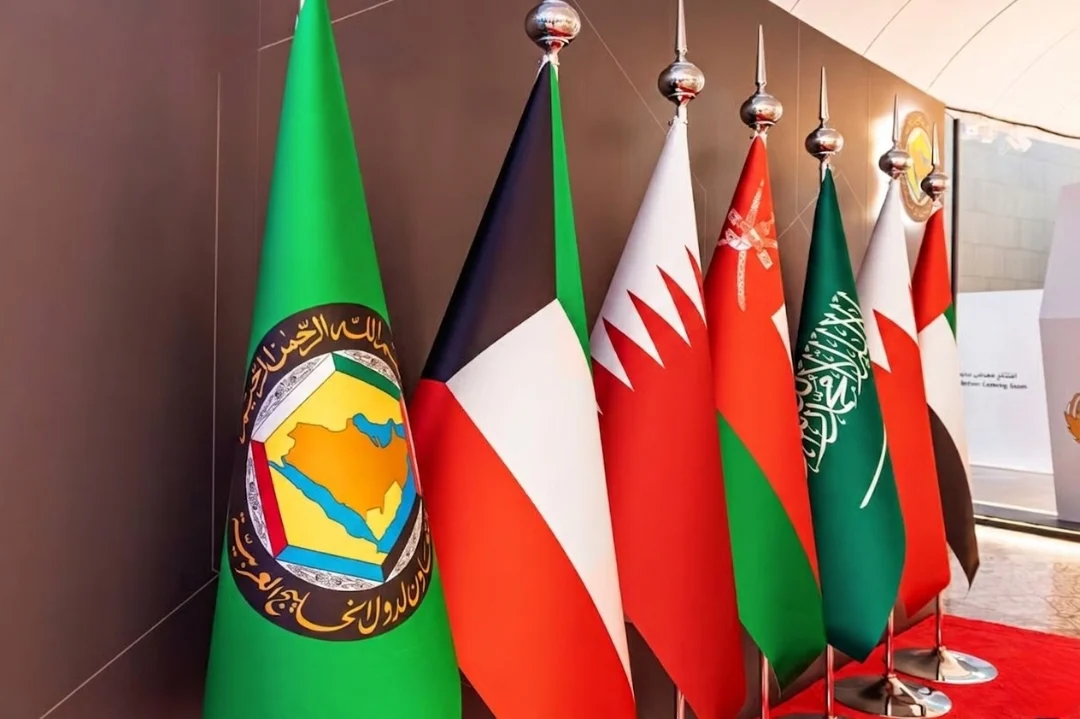
The Gulf Cooperation Council (GCC) has completed 45 years of regional cooperation, marking a journey that has transformed the bloc into one of the Arab world's most successful examples of political and economic integration.
On the occasion of the council’s anniversary, celebrated each year on May 25, senior Arab and Gulf officials highlighted the GCC’s achievements in strengthening unity, supporting sustainable development and promoting stability across the region.
Arab Parliament Praises GCC’s Historic Achievements
Mohammed bin Ahmed Al Yamahi, Speaker of the Arab Parliament, congratulated GCC leaders on the milestone, describing the council as a remarkable model of regional cooperation built on strong brotherly relations and a shared vision for the future.
He said the GCC has played an important role in advancing cooperation across political, economic, security and development sectors while helping member states achieve greater stability and prosperity.
According to Al Yamahi, the council’s achievements over the past four and a half decades have strengthened not only Gulf cooperation but also contributed to the wider interests of Arab nations.
He also praised the strategic vision of Gulf leaders, noting that their commitment to unity and collaboration has enabled the GCC to maintain its momentum and adapt to changing regional and global challenges.
GCC Emerges as a Strong International Partner
Over the years, the GCC has evolved beyond a regional alliance and established itself as a trusted player on the international stage.
Al Yamahi highlighted the council’s growing influence in supporting key Arab causes, safeguarding regional security and contributing to peace and stability in the Middle East.
He reaffirmed the Arab Parliament’s commitment to expanding cooperation with the GCC, emphasizing the importance of working together to promote development, economic growth and long-term prosperity across the Arab world.
A Journey That Began in 1981
Jasem Albudaiwi, Secretary-General of the GCC, reflected on the council’s history, saying that since its establishment on May 25, 1981, the GCC has embodied the spirit of cooperation and shared destiny among Gulf nations.
He described the organisation as a pioneering institution that has consistently worked to strengthen ties between member states while advancing common goals.
According to Albudaiwi, the support of GCC leaders has enabled the council to make significant progress in several areas, including:
- Political coordination
- Economic integration
- Military cooperation
- Security collaboration
- Sustainable development initiatives
These efforts, he said, have enhanced the GCC’s global reputation and strengthened its position as a reliable and influential international partner.
Economic Strength Continues to Grow
The GCC’s economic progress has been one of its most significant achievements.
Recent figures show that the bloc’s combined Gross Domestic Product (GDP) has reached approximately $2.4 trillion, underscoring the growing importance of Gulf economies on the global stage.
Even more notably, non-oil activities now account for more than 78 percent of the region’s GDP, highlighting the success of diversification strategies implemented by member states.
Investments in sectors such as:
- Tourism
- Financial services
- Technology
- Manufacturing
- Logistics
- Renewable energy
have helped Gulf economies reduce their dependence on hydrocarbons while creating new opportunities for growth and innovation.
GCC Looks Ahead to Greater Integration
As the council celebrates its 45th anniversary, leaders remain focused on the future.
Albudaiwi described the GCC as a symbol of unity and cooperation that continues to evolve despite geopolitical challenges and global economic uncertainties.
He expressed confidence that the bloc will continue moving toward deeper integration, stronger economic cooperation and greater prosperity for its citizens.
According to him, maintaining Gulf unity remains essential to addressing future challenges while protecting the achievements made over the past several decades.
"The success we see today in security, development and prosperity reflects the strong bonds that unite Gulf societies," he said, adding that preserving these accomplishments is a shared responsibility for current and future generations.
A Model for Regional Cooperation
Forty-five years after its founding, the GCC continues to stand as one of the Arab world's most successful regional organisations.
Its achievements in economic growth, political coordination and social development have strengthened cooperation among Gulf countries and increased their influence globally.
As member states continue investing in diversification, innovation and regional integration, the GCC appears well positioned to build on its legacy and play an even greater role in shaping the future of the Gulf and the wider Arab region.